Grocery Item Pricing
Rewriting the rules of an old system
The pricing tool worked.
It just made employees work too hard.
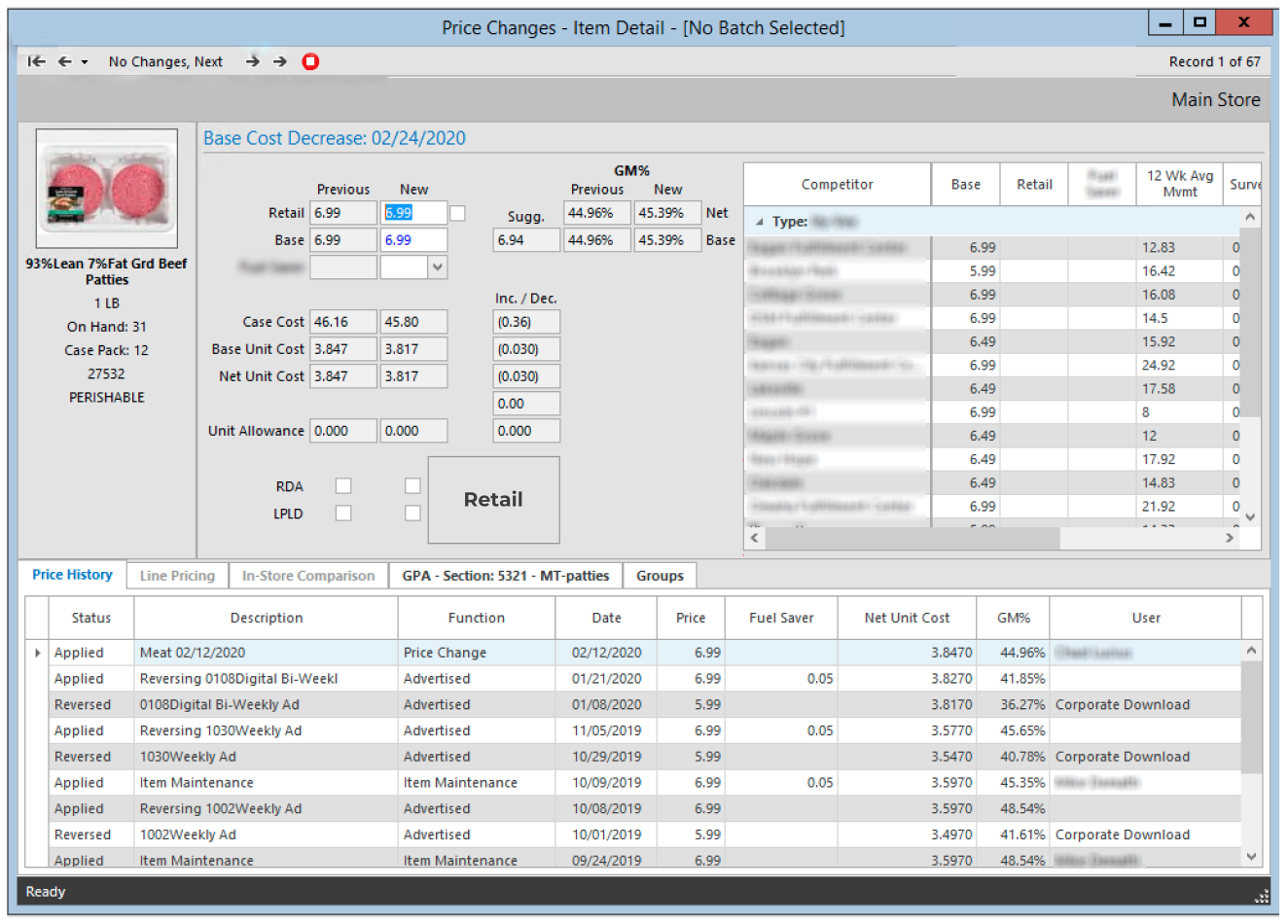
For store employees, updating prices meant navigating a legacy system that reflected how the technology was built rather than how the job actually worked.
The result was a process that felt slower and more complicated than it needed to be.
I wanted to understand what happened when we stopped designing around the system and started designing around the person using it.
$2.7M
Annual labor savings
18
Weeks from research to design
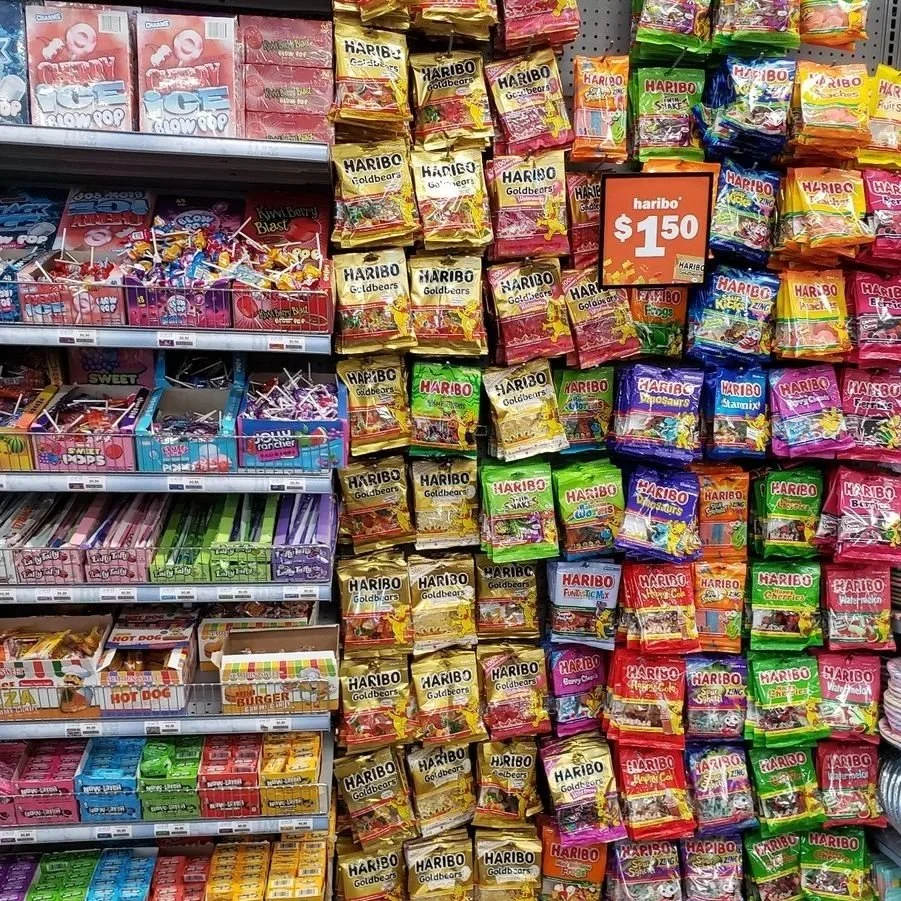
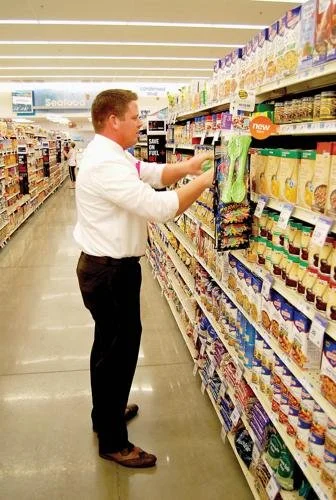
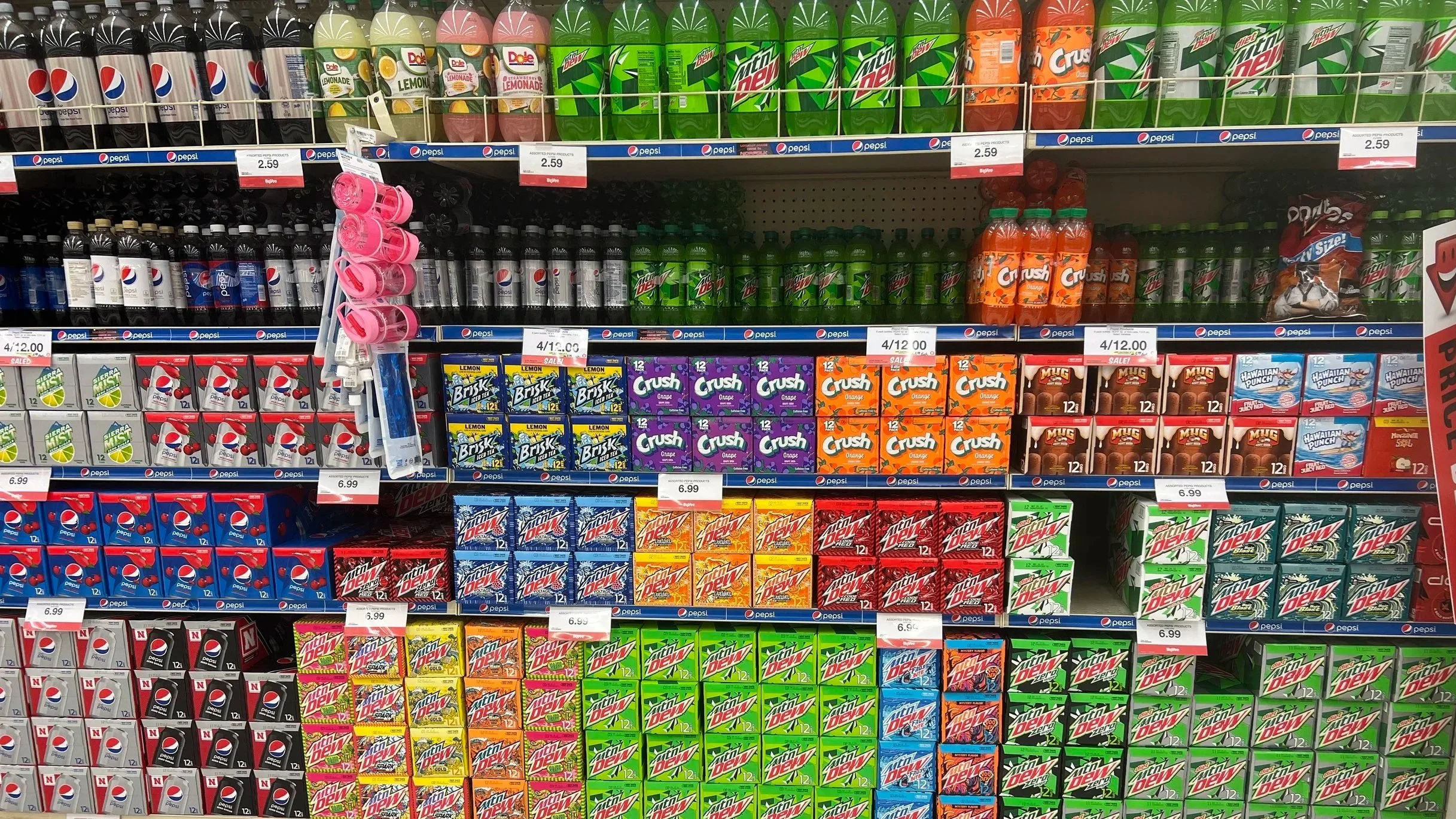
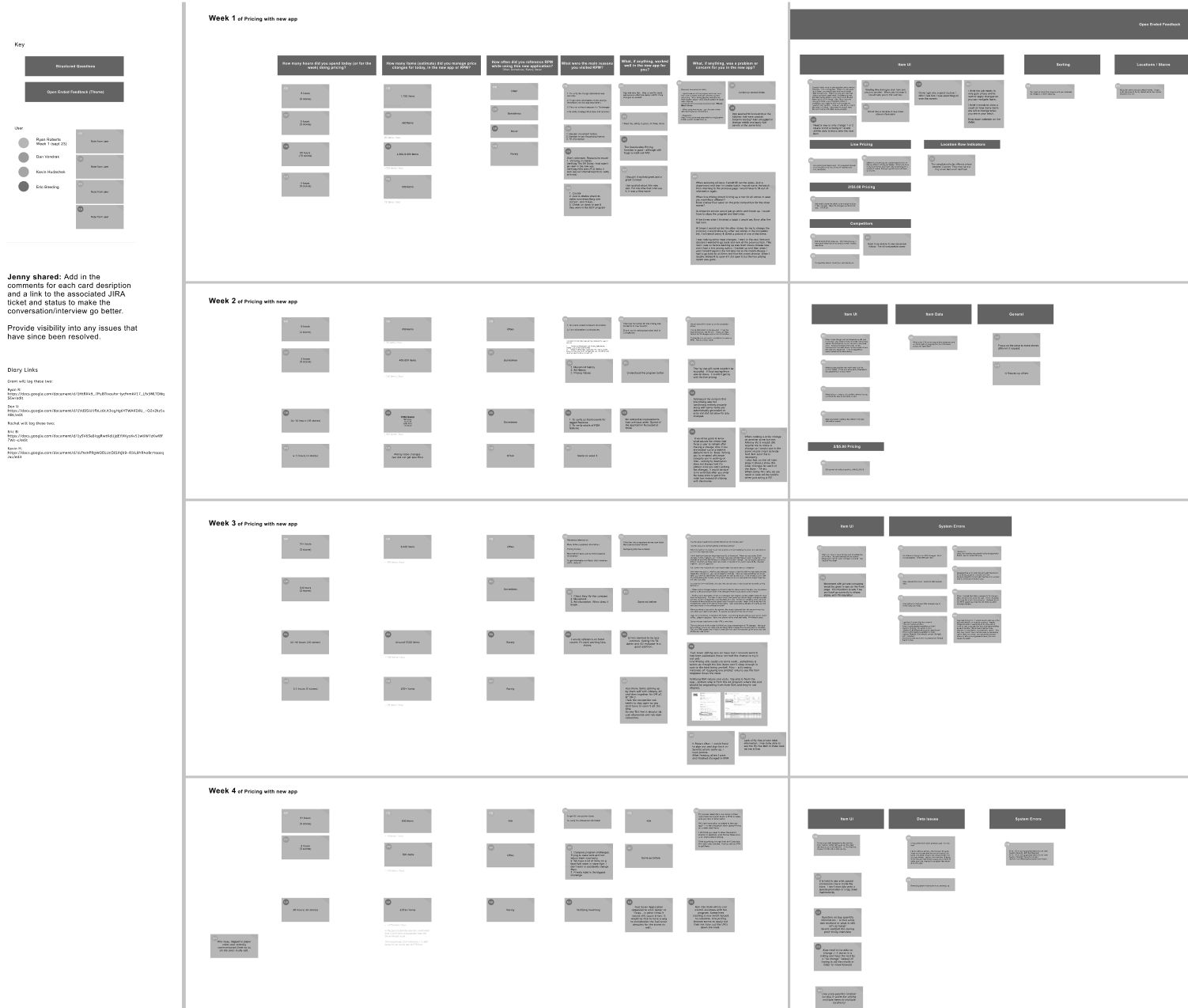
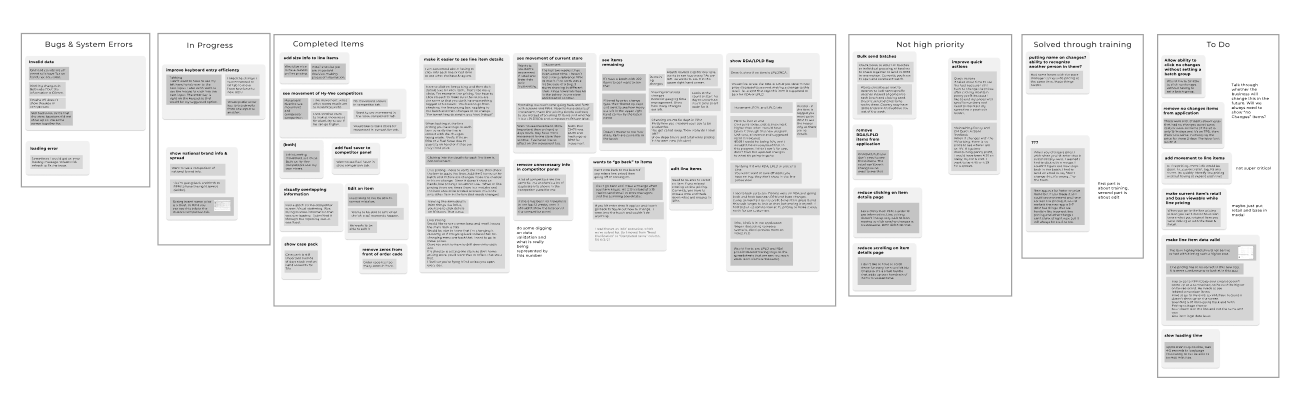
I spent time in stores observing employees as they updated prices, watching where they paused, what they skipped, and where they created their own workarounds.
I also interviewed store managers and pricing staff to understand the process from different perspectives.
What looked like an interface problem from a distance turned out to be something more interesting.
The system's mental model didn't match the employee's.
START WITH THE JOB, NOT THE SCREEN

WHEN THE WORK DOESN'T MATCH THE TOOL
Employees weren't thinking in terms of the system's categories and steps.
They were thinking about the task in front of them:
What needs to change?
Which products are affected?
What do I need to check?
Am I done?
The tool made them translate that natural workflow into the language of the system.
Every translation added friction.
A DIFFERENT WAY IN
The research gave us a new foundation for the experience.
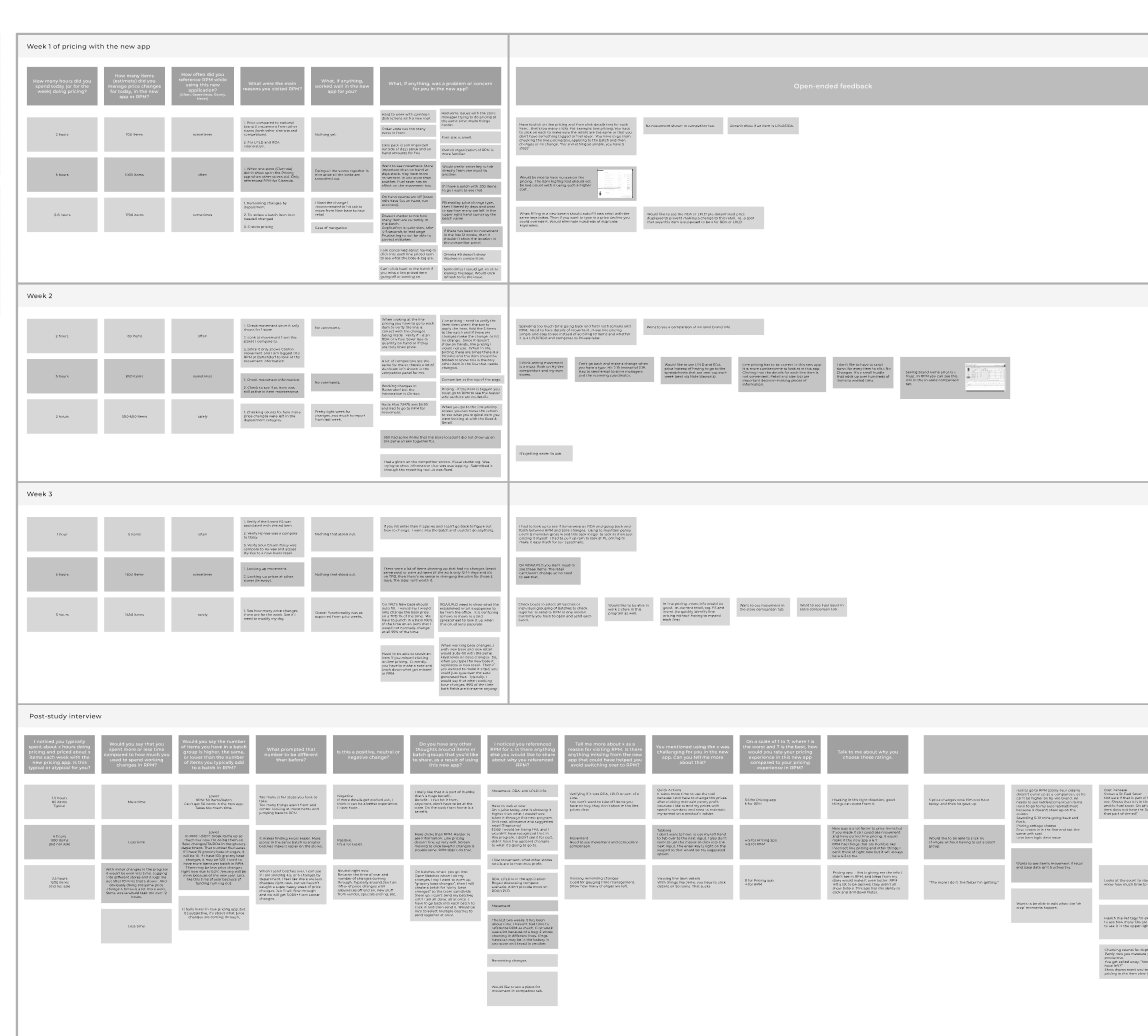
I translated what I learned into user flows, interaction concepts, and prototypes, then tested those ideas with the people who actually used the tool.
The design evolved through several rounds of testing, with each iteration focused on one question:
Can we make the system follow the work instead of making the work follow the system?
THE RESULT
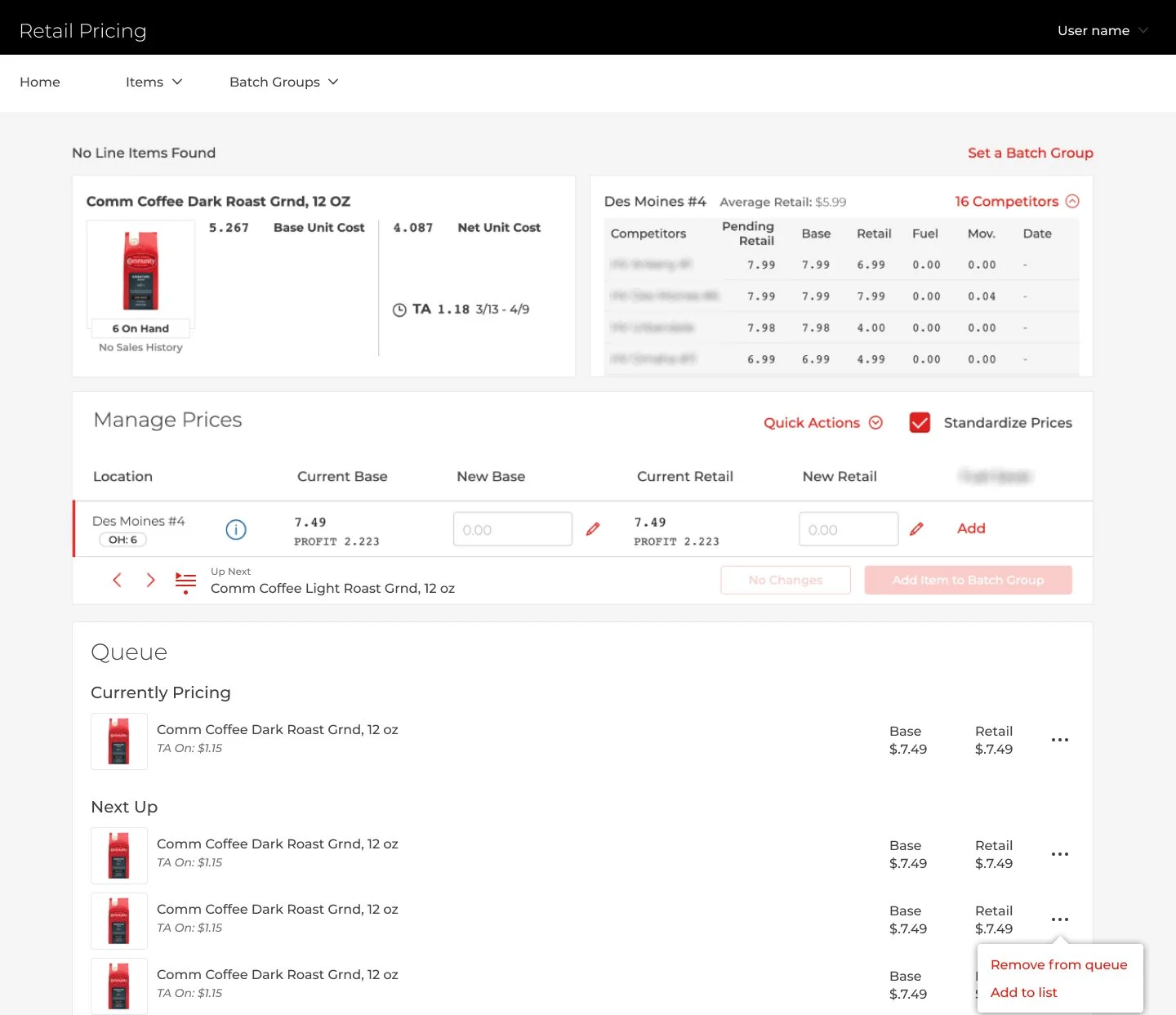
The redesigned experience made pricing updates faster and easier to understand, while giving employees better visibility into errors and corrections.
But the biggest change wasn't visual.
The interface began speaking the same language as the job.
That meant less manual effort, fewer opportunities for mistakes, and a workflow that felt more natural to the people using it.
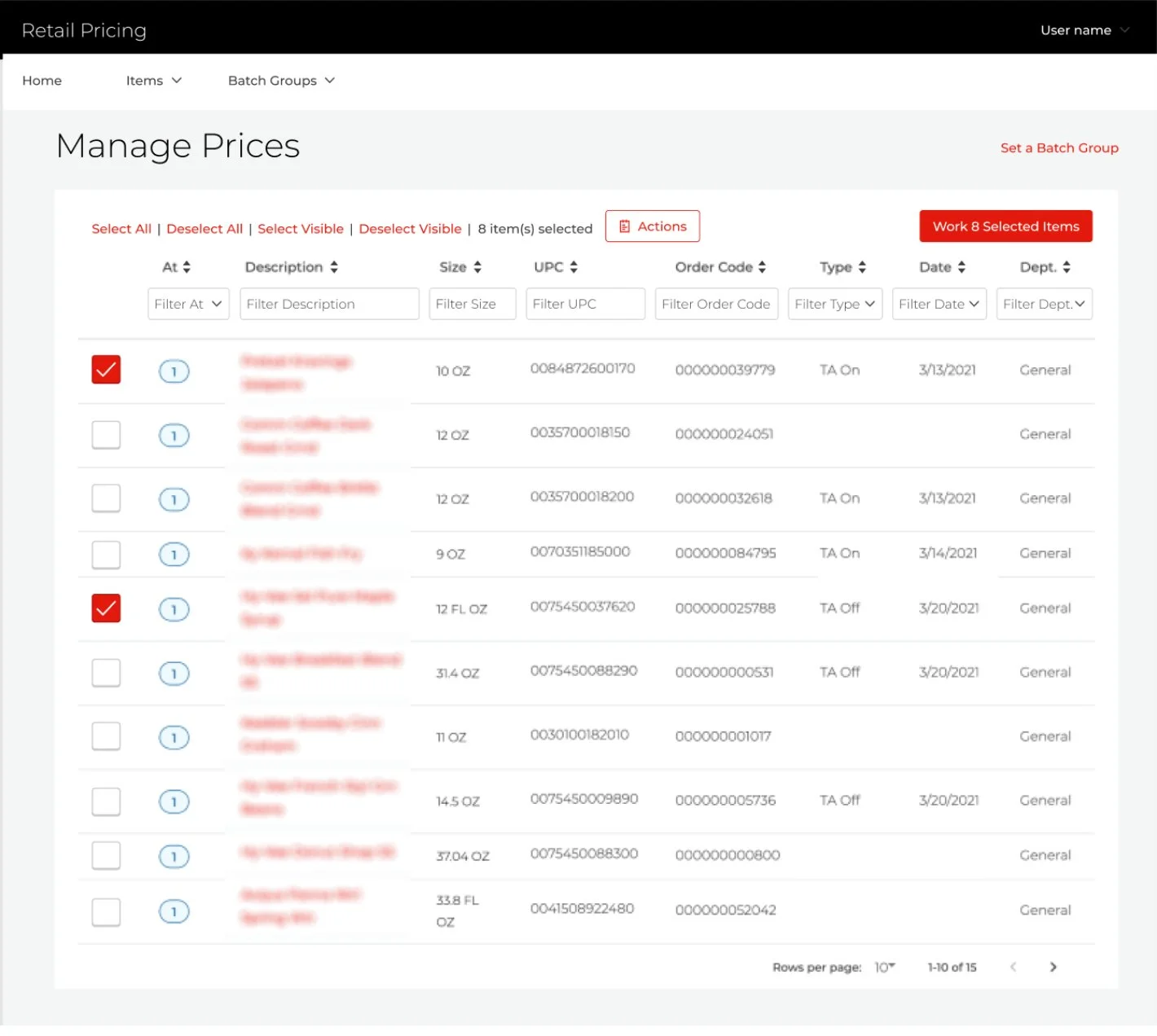
$2.7M IN ANNUAL SAVINGS
The redesigned pricing experience contributed to an estimated $2.7 million in annual labor cost savings across the organization.
And the impact went beyond the number.
01
Less effort
Streamlining how information moved between agents, employees, and customers.
02
More confidence
Reducing repetitive work and unnecessary steps in the application process.
03
A better workflow
The experience reflected how employees actually thought about the job.
THE TAKEAWAY
One of the most useful things research can reveal is that the thing people are struggling with isn't always the thing you thought you were designing.
Sometimes the best redesign isn't about making an interface more sophisticated.
It's about making it feel obvious.
RESEARCH → DESIGN → IMPACT
My role
Lead Researcher & Designer
Methods
In-store Observation · Interviews · Prototyping · Usability Testing
Output
Redesigned Enterprise Pricing Tool
Impact
$2.7M annual labor cost savings
MORE WORK
Finding what you're looking for
Product Location Findability →
When the system gets in the way
Insurance Operations →
Designing for people in a hurry
Convenience Store Checkout →
Designing a shared memory
Internal Knowledge Base →
LET’S WORK TOGETHER
Have a complex system that needs to make more sense?